
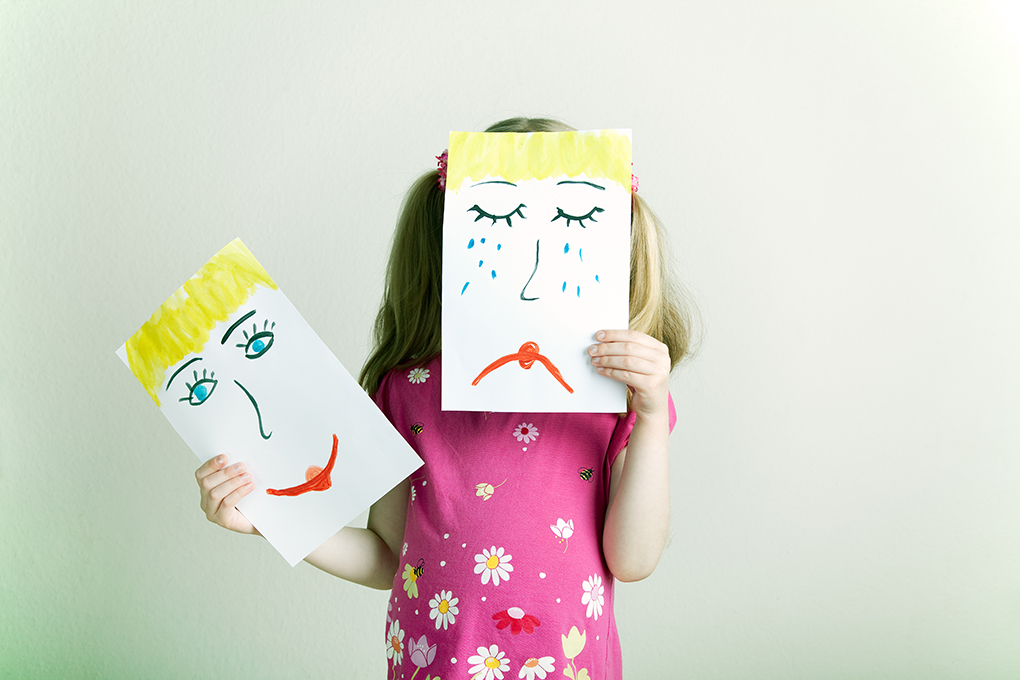
A child’s complete well-being and optimal development occur in emotional, behavioral, social, and cognitive domains.
‘The emotional well-being of children is just as important as their physical health. Good Mental Health means children can develop the resilience to cope with whatever life throws at them and grow into healthy rounded adults.’
Child mental health issues can affect a child’s emotions, behavior, and thinking, impacting their ability to function at home, school, and in social situations. Some common mental health challenges in children include:
- Anxiety Disorders – Excessive worry, fear, or nervousness that interferes with daily life (e.g., Generalized Anxiety Disorder, Social Anxiety, Separation Anxiety).
- Depression – Persistent sadness, loss of interest in activities, low energy, and changes in sleep or appetite.
- Attention-Deficit/Hyperactivity Disorder (ADHD) – Difficulty with attention, impulsivity, and hyperactivity.
- Autism Spectrum Disorder (ASD) – Challenges with social interaction, communication, and repetitive behaviors.
- Specific Learning Disabilities (SLD) – Academic disturbances like problems with reading, comprehension, writing, doing maths, recalling etc.,
- Oppositional Defiant Disorder (ODD) – Frequent defiance, hostility, and disobedience towards authority figures.
- Conduct Disorder (CD) – More severe behavior problems, including aggression, rule-breaking, and disregard for others.
- Post-Traumatic Stress Disorder (PTSD) – Occurs after exposure to trauma, leading to flashbacks, nightmares, and heightened anxiety.
- Obsessive-Compulsive Disorder (OCD) – Repetitive thoughts (obsessions) and behaviors (compulsions) that interfere with daily life.
- Eating Disorders – Unhealthy relationships with food, such as anorexia, bulimia, or binge-eating disorder.
Signs of Mental Health Issues in Children:
- Emotional Signs: Frequent sadness, crying, mood swings, excessive worry, anger, or withdrawal from family and friends.
- Behavioral Changes: Aggression, hyperactivity, defiance, trouble concentrating, or risky behaviors.
- Physical Symptoms: Headaches, stomachaches, fatigue, changes in appetite or sleep patterns.
- Academic Struggles: Declining grades, lack of interest in school, difficulty focusing.
- Social Difficulties: Trouble making or keeping friends, social withdrawal, or difficulty understanding social cues.
Causes and Risk Factors:
- Genetics – Family history of mental health issues.
- Trauma and Stress – Abuse, neglect, bullying, parental divorce, or loss of a loved one.
- Brain Chemistry and Development – Imbalances in neurotransmitters or chemical changes in the brain.
- Environmental Factors – Poverty, unstable home life, lack of emotional support.
- Medical Conditions – Chronic illness or neurodevelopmental disorders.
Treatment and Support:
- Therapy
- Cognitive Behavioral Therapy (CBT) – Helps children manage thoughts and emotions.
- Play Therapy – Benefits for younger children to express emotions.
- Family Therapy – Helps improve family dynamics and support.
- Social Skills Training – Helps children with ASD or anxiety improve interactions.
- Lifestyle Changes & Support
- Healthy diet, regular exercise, and proper sleep.
- Encouraging open communication at home.
- Support from teachers, counselors, and mental health professionals.
When to Seek Help:
If a child’s mental health issues persist for more than a few weeks, interfere with daily life, or lead to self-harm or suicidal thoughts, immediate professional help is needed.
“EARLY DIAGNOSIS AND EARLY INTERVENTION IS MORE IMPORTANT TO MAINTAIN THE AGE-APPROPRIATE GROWTH”