
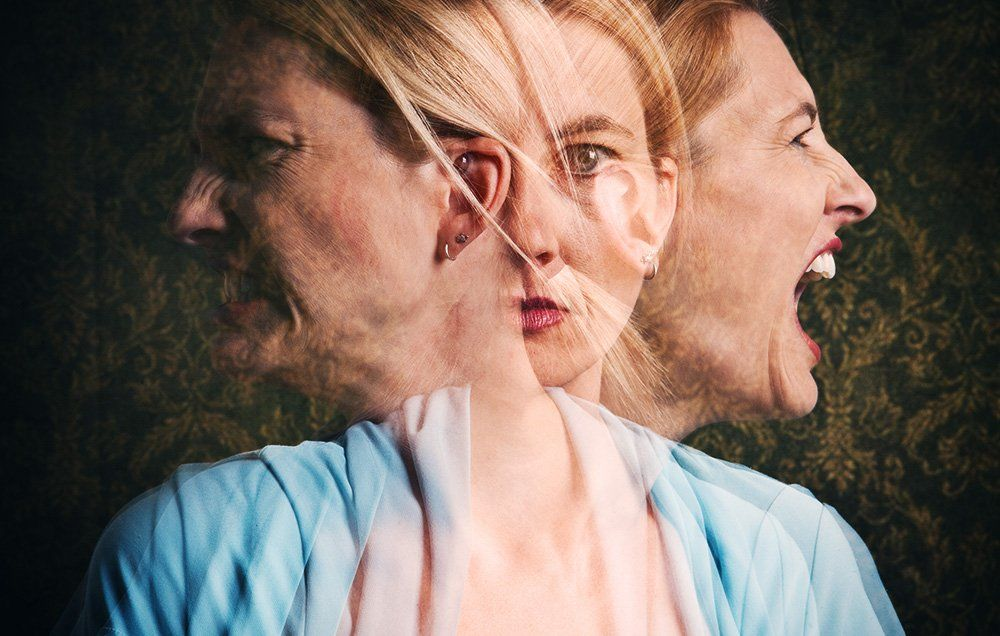
Mental disorders can affect women and men differently. Some disorders are more common in women such as Depression and Anxiety. There are also certain types of disorders that are unique to women. For example, some women may experience symptoms of mental disorders at times of hormone change, such as perinatal depression, premenstrual dysphoric disorder, and perimenopause-related depression.
A 2016 study showed that:
- one in five women compared to one in eight men had a mental health problem
- there was a steady increase in the number of women experiencing mental health difficulties, with young women particularly at risk
- one in five women aged 16-25 reported recently self-harming
- suicide rates in women were at their highest for a decade.
Common psychological problems in women;
- Anxiety Disorders.
- Bipolar Disorder (Manic-Depressive Illness)
- Borderline Personality Disorder.
- Depression.
- Eating Disorders.
- Obsessive-Compulsive Disorder (OCD)
- Post-Traumatic Stress Disorder (PTSD)
- Perinatal depression
- Postpartum depression
- Schizophrenia.
Despite the complexity of the mental health challenges women face, treatment options and resources are available to help these women lead healthy lives. Sometimes, the simplest advice is the most effective, and may begin with something as basic as not being afraid to ask for help. Mental health professionals are ready to help women affected by mental illness. They are there to ensure afflicted women receive the treatment and attention they need to start on the road to recovery, and return to health should they ever stray.